
Why Scheduled Meal Delivery Beats On-Demand Food Apps
Discover how scheduled meal delivery improves freshness, affordability, kitchen efficiency, and reliability for homes, offices, schools, and gyms.
Scheduled Delivery Starts With a Better Customer Promise
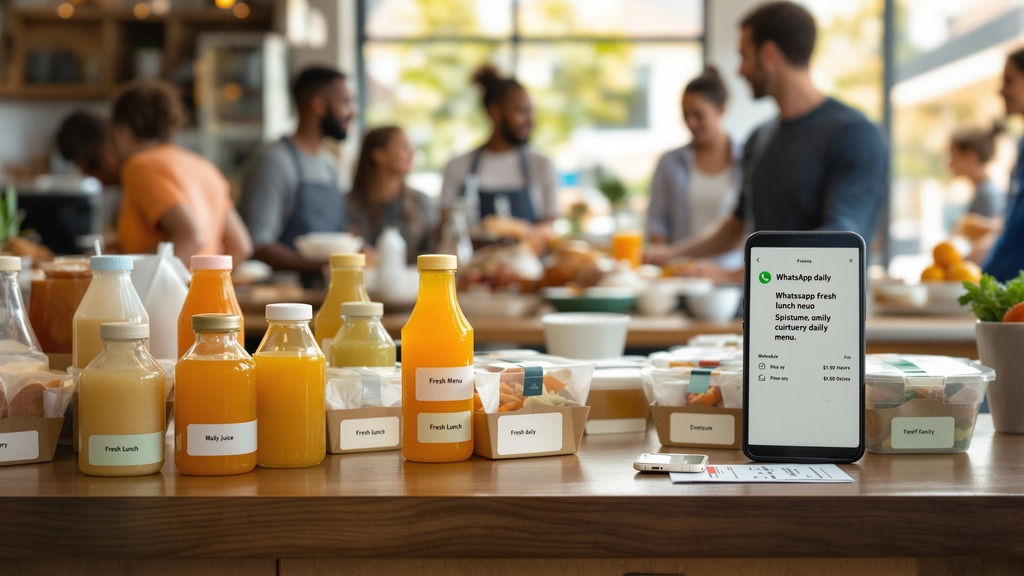
On-demand food apps are designed for immediate convenience: a customer places an order, a kitchen prepares it, and a courier delivers it as quickly as possible. That model is useful when plans change, but it can also create unpredictable wait times, delivery fees, traffic-related delays, and inconsistent food quality. Scheduled food delivery takes a different approach by aligning customer demand with planned preparation and dispatch.
With FreshBox, customers select meals, drinks, quantities, and delivery windows from a daily menu through WhatsApp, Instagram, or another direct channel. An office coordinator can confirm 20 lunch boxes in advance, while a household can reserve breakfast for the next morning. This simple planning creates a clearer promise: meals are prepared fresh, packed correctly, and delivered during an agreed time slot. For busy customers, the benefit is not merely speed. It is confidence. Scheduled meals fit recurring routines, making them especially practical for office workers, students, gym-goers, schools, and households that value reliable meal delivery trends over last-minute choices.
Batch Preparation Improves Freshness, Price, and Kitchen Efficiency
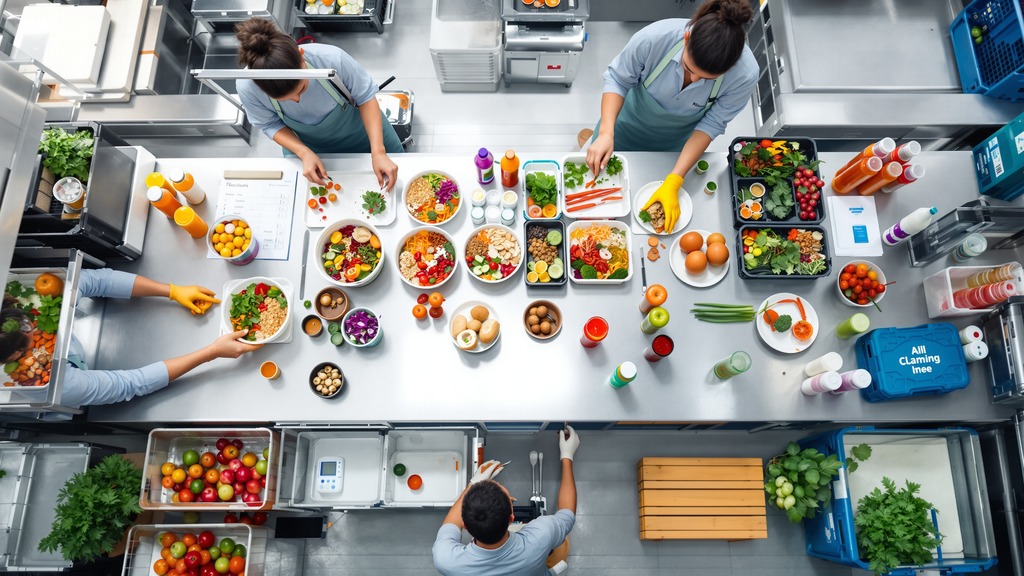
The strongest advantage of scheduled meals is operational. Instead of handling every order as a separate event, a cloud kitchen can group demand by menu item, quantity, destination, and delivery window. Fresh ingredients can be washed, chopped, cooked, blended, and packed in planned batches. This reduces repeated setup, limits idle kitchen time, and helps the team purchase more accurately. Better planning can also reduce excess inventory and food waste, which supports more affordable pricing.
Batch preparation does not have to mean standardized or stale food. A disciplined kitchen can prepare core ingredients in advance while finishing salads, sauces, sandwiches, smoothies, or juices close to dispatch. Clear labels and order checks protect accuracy when many meals leave together. These food logistics practices help a local business offer consistent portions and dependable quality without carrying the cost structure of a large restaurant or marketplace commission. For customers, that may mean fresher food at a fairer price. For FreshBox, it creates a repeatable operating model that can grow from a few neighborhood routes to regular office, school, and gym accounts.
When Scheduled Meals Are the Better Fit
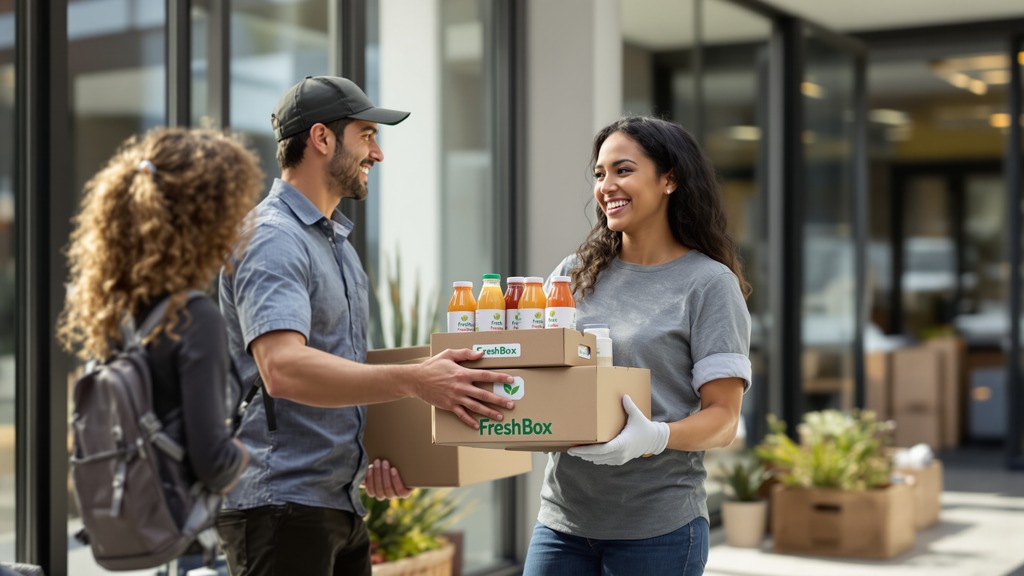
Scheduled meal delivery is especially valuable wherever many people need similar food at a predictable time. An office can submit one consolidated order and receive labeled lunches during a short break. A school can coordinate approved meals for a class or staff team. A gym can offer post-workout bowls and drinks after a morning session, while households can arrange weekday breakfasts without making a new decision every day. In each case, grouped orders simplify communication, route planning, payment collection, and handoff.
On-demand food apps still have a place for spontaneous cravings, urgent meals, or customers who want maximum choice at any hour. Scheduled delivery wins when reliability, value, and routine matter more than instant fulfillment. FreshBox can strengthen that advantage with cutoff times, rotating menus, recurring subscriptions, minimum group-order sizes, digital payments, and clear delivery updates through WhatsApp. The result is more than a delivery service: it is a coordinated local food system. By connecting customer habits with kitchen capacity and efficient routes, scheduled food delivery can make healthy meals more accessible while helping local food businesses operate sustainably.